15 Октября 2026
Trust.Zone V2 is here — an entirely new app with faster connections, modern protocols and more control over your VPN.
Choose which apps and websites connect through the VPN, explore more connection options and enjoy a redesigned interface built for everyday use.
V2 is now our recommended app for all new Trust.Zone users worldwide. подробнее...
12 Октября 2026
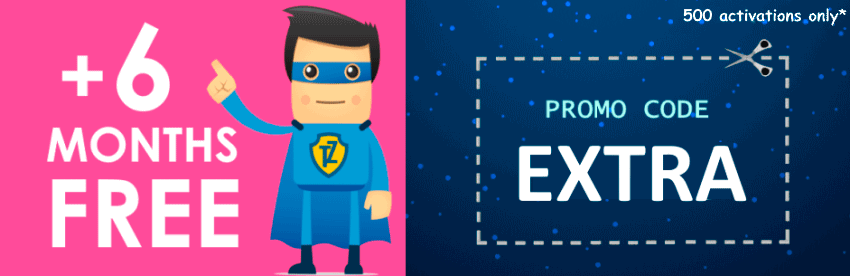
Limited Time: Enter promo code "EXTRA" on checkout and get extra 6 Months free!
Apply coupon "EXTRA: and get additional 6 months for FREE — the total price remains the same!
Hurry! It's a limited time deal.
Only 500 promo codes for Trust Zone VPN are available for activation подробнее...
11 Октября 2026
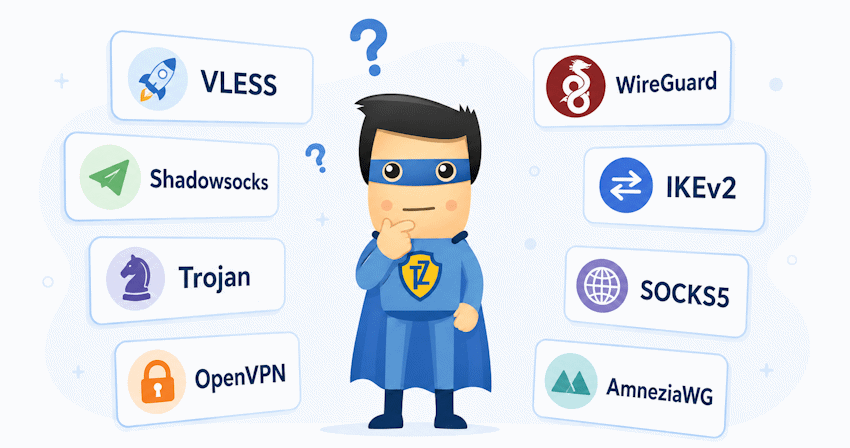
Trust.Zone offers several ways to establish a secure connection, from well-known VPN protocols such as OpenVPN and WireGuard to newer connection technologies such as VLESS, Shadowsocks and Trojan, which are especially useful on networks where standard VPN traffic may be detected, filtered or blocked.
But more options also mean one obvious question: which one should you use?
There is no single protocol that is best for every situation. Some focus on speed and compatibility, while others are particularly useful in countries and networks where standard VPN connections are restricted. подробнее...
9 Октября 2026
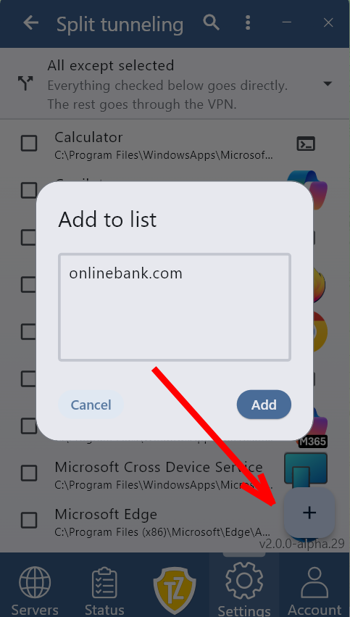
As you may already know, Trust.Zone VPN V2 includes Split Tunneling, which lets you choose which applications use the VPN and which connect directly. You could send a browser, torrent client or messenger through the VPN and leave other apps on your regular connection.
But did you know that you can also add individual websites?
Choose whether each site opens through Trust.Zone VPN or your regular internet connection, and Trust.Zone V2 will apply the rule automatically. подробнее...
3 Октября 2026
Did you know that VPN Comparison and VPN Reviews websites are checking the quality of leading VPN providers every day?
They do advanced testing and research of VPN speed, privacy, leaks and many more.
Here are some latest speed and tests of Trust.Zone VPN by independent souces (links to original reviews are attached) подробнее...
3 Октября 2026
Your VPN is off, but an app keeps telling you to disable it. You check the connection, reopen the app, and get exactly the same warning. What else are you supposed to turn off?
Sometimes another tool on your phone is using Android’s VPN interface. Sometimes the service is flagging your internet connection. The warning alone cannot tell you which, but a few checks can help you find out. подробнее...
9 Сентября 2026
A video is about to start, but a verification screen appears first. It looks familiar: a checkbox, a security logo and a message asking to confirm that a real person is visiting. Most people have completed enough of these checks to follow the instructions without much thought.
Then comes an extra step. The page asks to open a Windows tool and paste a command. It sounds unnecessary, but the instructions are clear and the video is waiting. Following them can install malicious software instead of completing a security check.
This is a fake CAPTCHA scam. It uses a routine part of browsing to persuade people to do something they would normally avoid: run instructions from an unknown source. подробнее...
6 Сентября 2026
You connect to campus Wi-Fi, turn on your VPN and open your torrent app. The download starts. Your IP check shows the VPN server’s address, so everything looks private. But you signed into that Wi-Fi with your student account. Does the university still know what you are doing?
It can still know that your device is connected and moving data. That is different from seeing which torrent you are downloading. A properly configured VPN makes a real difference here, but understanding who can see what matters more than the green “Connected” message. подробнее...
6 Сентября 2026
You are abroad and want to avoid an expensive phone bill. So you open your VPN, connect to your home country and start browsing.
Websites now see an IP address from home. Does that mean your mobile internet costs the same as it does at home?
No. A VPN can change the location websites see, but it cannot change your mobile prices. Your phone is still using a network abroad, and your mobile provider can still charge you for it. This is an easy mistake to make, especially when VPN apps let you change countries with one tap. подробнее...
5 Сентября 2026
You are about to log in to Binance from hotel Wi-Fi, an airport lounge, or while travelling. Should you turn on a VPN? And could doing so get your account banned?
Online answers tend to be extreme. Some say you should never use a VPN with Binance. Others suggest that a VPN lets you trade from anywhere. Neither answer tells the full story.
Using a VPN is not automatically illegal, and simply having one on while accessing Binance is not automatically a problem. It can encrypt the connection between your device and the VPN server, which is especially useful on public networks. But a VPN is not a passport. It cannot change where you live, the documents you use for verification, or whether you are eligible for a Binance service. подробнее...